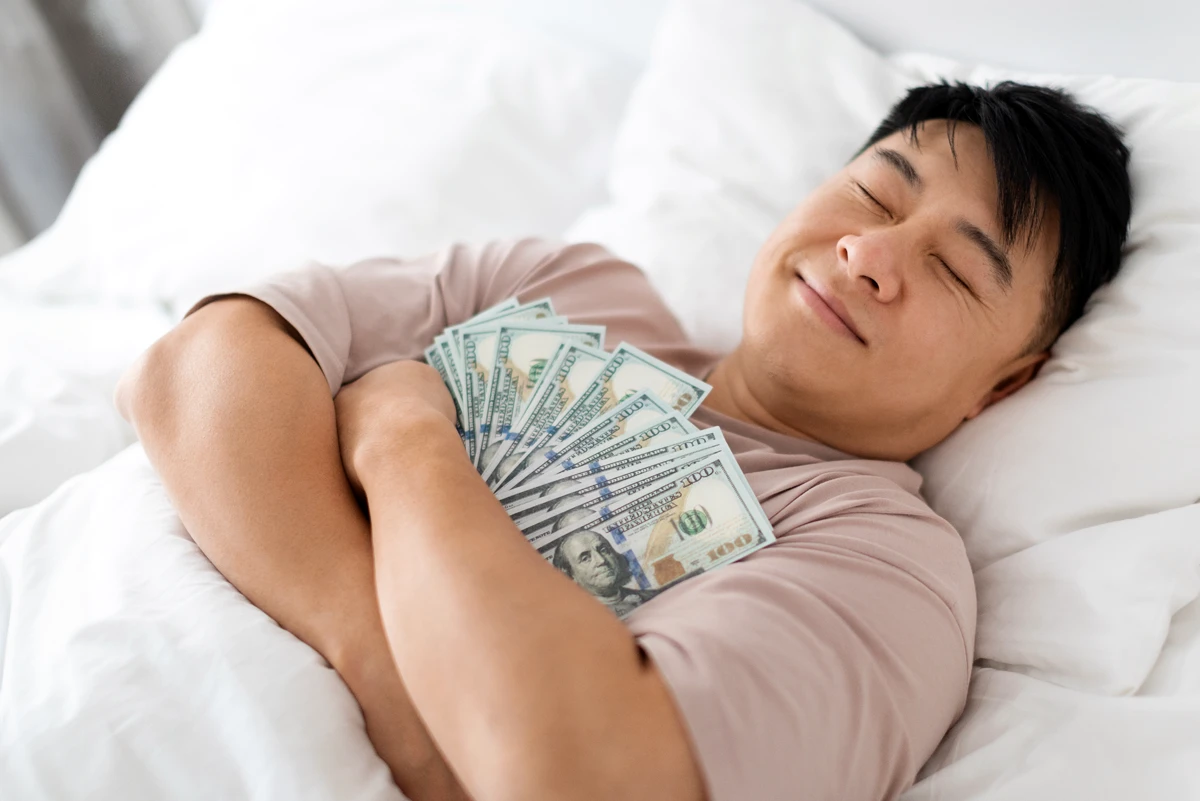
We celebrate the hustle. We share memes about grinding while others sleep. We treat exhaustion as a badge of honor and rest as laziness. But the science is unambiguous: chronic sleep deprivation is one of the most reliable ways to undermine your performance, your income, and your long-term success.
The highest performers in business, sports, and medicine aren't skimping on sleep—they're ruthlessly protecting it. Here's the research behind why, and exactly what to do about it.
The Science of Sleep and High Performance
Sleep is not passive rest. It's an active biological process during which your brain consolidates memories, clears metabolic waste, regulates hormones, repairs tissue, and resets your emotional baseline. Shortchange this process and you don't just feel tired—you cognitively degrade in ways that compound over time.
Dr. Matthew Walker, author of Why We Sleep and sleep researcher at UC Berkeley, summarizes the research bluntly: "No aspect of our biology is left unscathed by sleep deprivation." Specific findings:
- Decision-making: After 17 hours awake, cognitive performance is equivalent to a 0.05% blood alcohol level. After 24 hours, it matches legal intoxication (0.10%). You wouldn't show up to a salary negotiation drunk—but many professionals do the equivalent every week.
- Memory and learning: Sleep is essential for memory consolidation. Material studied before a night of good sleep is retained dramatically better than the same material studied after sleep deprivation. If you're trying to learn new skills to advance your career—a second language, coding, sales frameworks—skimping on sleep actively sabotages that investment.
- Emotional regulation: Sleep-deprived individuals show 60% stronger emotional reactivity to negative stimuli, according to Walker's lab. This means worse interpersonal communication, more impulsive decisions, higher conflict, and diminished leadership effectiveness.
- Creativity: REM sleep—the dream stage—is when the brain draws unexpected connections between disparate ideas. Edison, Tesla, and Paul McCartney all attributed major creative breakthroughs to dreams. REM is also the stage most easily cut short by insufficient sleep.
The Economic Case for Prioritizing Sleep
The RAND Corporation quantified the cost of sleep deprivation to the U.S. economy: up to $411 billion per year, driven by higher mortality risk and reduced productivity among sleep-deprived workers. On an individual level, the math is even more direct.
Research published in Sleep journal found that individuals sleeping fewer than 6 hours per night were significantly less likely to receive raises and promotions over a 10-year period than well-rested peers—independent of hours worked, job type, and education level. The mechanism: poor sleep impairs judgment, interpersonal skills, and the kind of sustained high-quality output that gets noticed.
A separate University of Washington study found that leaders who slept better were rated as more charismatic and inspirational by their teams the following day. Sleep quality isn't just about your performance—it affects how others perceive your leadership.

How Sleep Deprivation Is Quietly Costing You
The insidious problem with chronic sleep deprivation is that you adapt to feeling tired. After a week of 6-hour nights, your subjective feeling of sleepiness stabilizes—you feel fine. But objective cognitive performance continues to fall. You lose the ability to accurately assess your own impairment.
Common silent costs of poor sleep that most people miss:
- Poorer financial decisions: Tired brains default to short-term thinking, impulsivity, and loss aversion. Bad trades, impulse spending, and avoided hard conversations with employers all cost money.
- Higher healthcare costs: Chronic poor sleep dramatically increases risk of obesity, Type 2 diabetes, cardiovascular disease, and depression—all expensive to manage.
- Reduced output quality: An hour of work from a well-rested person often outperforms two hours from a sleep-deprived one. Working more hours while underslept is frequently net-negative.
- Damaged relationships: Sleep deprivation increases conflict and reduces empathy. Professional and personal relationships that suffer have real financial consequences—from lost clients to divorce costs.
What the Best Performers Actually Do
The cultural narrative is that successful people sleep less. The reality for the most studied high performers is the opposite:
- LeBron James and Roger Federer prioritize 10–12 hours of sleep per night during peak training
- Jeff Bezos has spoken publicly about the importance of 8 hours to make good decisions
- Arianna Huffington's book The Sleep Revolution was prompted by collapsing from exhaustion and breaking her cheekbone—now she treats 7–8 hours as sacred
- Bill Gates, Mark Cuban, and Tim Cook all report consistent 7–8 hour sleep schedules
The outliers who claim to thrive on 4–5 hours represent a genetic mutation affecting less than 3% of the population. If you think you're one of them, the evidence suggests you've probably just adapted to feeling impaired.
Protect Your Sleep Schedule Like a Meeting
The most powerful sleep intervention costs nothing: go to bed and wake up at the same time every day—including weekends. Circadian rhythm stability is the foundation of sleep quality. Irregular schedules fragment your sleep architecture and reduce time in the deepest, most restorative stages.
Target 7–9 hours for most adults (the exact number varies by individual—find your optimal via experimentation during a low-obligation week). Set your wake time first, then back-calculate your bedtime. Treat your sleep schedule like a non-negotiable appointment with your highest-performing future self.
Optimize Your Sleep Environment
Your sleep environment has an outsized impact on sleep quality. The three variables with the most evidence behind them:
- Temperature: Core body temperature must drop 2–3°F to initiate sleep. An ideal bedroom temperature is 65–68°F (18–20°C). This is one of the single highest-leverage sleep improvements you can make.
- Darkness: Even small amounts of light during sleep suppress melatonin and fragment sleep. Blackout curtains or a quality sleep mask eliminate this. (For travel, a 3D sleep mask that doesn't press on your eyelids is particularly effective: highly rated option here)
- Noise: Unpredictable sounds cause micro-arousals even when you don't wake up. White noise, a fan, or earplugs smooth out the acoustic environment.
Engineer a Pre-Sleep Wind-Down Routine
Your nervous system needs a transition from alert/active to calm/ready-for-sleep. The hour before bed is critical. High-performers treat this period as deliberately as their morning routine:
- Dim lights in your home 1 hour before bed—bright light delays melatonin production by up to 3 hours
- Avoid screens, or use blue-light filters aggressively (the light spectrum from screens is particularly melatonin-suppressing)
- Avoid caffeine after 1–2 PM—caffeine's half-life is 5–7 hours, meaning a 3PM coffee is still 50% active at 8–9PM
- Avoid alcohol close to bedtime—alcohol impairs REM sleep and fragments the second half of the night even when it helps you fall asleep initially
- Use the time for low-stimulation activities: light reading, gentle stretching, journaling, or conversation
Use Strategic Napping
NASA research on military pilots found that a 26-minute nap improved performance by 34% and alertness by 100%. Naps aren't a sign of laziness—they're used deliberately by elite athletes, high-performing executives, and military units worldwide.
The optimal nap structure: 20–30 minutes, ideally between 1–3PM (aligned with the natural post-lunch circadian dip). Longer naps enter deep sleep stages and cause grogginess. Set an alarm. Some people find a "caffeine nap" effective—drinking coffee immediately before napping, as caffeine takes 20–30 minutes to absorb and you wake up as it kicks in.
Address the Root Causes of Poor Sleep
If you consistently struggle to fall or stay asleep, address the underlying causes rather than just optimizing around the edges:
- Stress and racing thoughts: A "worry journal" before bed—writing down tomorrow's tasks and concerns—has been shown in controlled studies to significantly reduce time to fall asleep
- Irregular exercise: Regular physical activity is one of the most reliable sleep quality improvers, but avoid vigorous exercise within 2–3 hours of bedtime
- Undiagnosed sleep apnea: Affects roughly 26% of adults between 30–70 and severely fragments sleep without the sufferer realizing why they're tired. A sleep study can identify and treat this within weeks
- Stimulants and substances: Review all medications, supplements, and dietary habits for sleep-disrupting compounds

The Compounding Returns of Better Sleep
Sleep improvement produces compounding returns. A well-rested brain makes better financial decisions—leading to better investments, better career moves, and better negotiations. It produces higher-quality work in fewer hours—freeing time for high-leverage activities. It maintains the health that keeps medical costs low. It sharpens the emotional intelligence that builds the relationships that create opportunities.
Sleep isn't time stolen from productivity. It's the foundation that makes real productivity possible. The culture that glorifies burning the candle at both ends has it exactly backwards. Protect your sleep, and your professional performance, financial decisions, and long-term wealth-building will all improve as a direct result.