
Renting is a Waste of Money – Buy a House ASAP.

Why it's wrong: Buying a home too early can trap you with hidden costs like property taxes, maintenance, and unexpected repairs.
Better advice: Rent until you're financially prepared. Use that time to build savings, pay down debt, and create flexibility for future moves. Read more →
Follow Your Passion and the Money Will Follow.

Why it's wrong: Passion doesn't guarantee income. Many passion careers pay very little or take years to monetize.
Better advice: Pursue passion with a plan. Build income through valuable skills and use that income to support your passion responsibly. Read more →
Your Credit Score Doesn’t Matter When You’re Young.

Why it's wrong: A poor credit score can limit your ability to rent, finance, or even get hired.
Better advice: Start building credit now. Open a low-limit credit card, use it wisely, and pay it off in full each month. Read more →
You’ll Never Get Rich Working a 9–5 Job.

Why it's wrong: Most people build wealth through consistent income, saving, and investing.
Better advice: Use your job as a wealth-building tool. Live below your means, invest consistently, and increase your earning potential. Read more →
Never Use Credit Cards – Cut Them Up!

Why it's wrong: Credit cards can be a powerful tool for building credit and earning rewards. Avoiding them entirely limits opportunity.
Better advice: Learn to use credit cards responsibly. Pay off your balance in full every month and never treat it as free money. Read more →
Don’t Worry About Retirement Until You’re Older.

Why it's wrong: Delaying retirement savings costs you the power of compound interest.
Better advice: Start saving early, even small amounts. Your future self will thank you for getting a head start. Read more →
Just Save Your Money in a Bank Account.

Why it's wrong: Savings accounts typically don't outpace inflation, which means your money loses value over time.
Better advice: Keep emergency savings in a high-yield account, but invest long-term funds in index funds or retirement accounts. Read more →
YOLO! Spend It While You Can

Why it's wrong: Short-term fun can turn into long-term debt.
Better advice: Enjoy life within reason. Budget for fun while still saving for the future. Read more →
College Is a Waste of Time.

Why it's wrong: While not right for everyone, a degree often leads to higher lifetime earnings.
Better advice: Consider the return on investment. Choose affordable schools and align your education with your goals. Read more →
Only Pay the Minimum on Your Credit Card.

Why it's wrong: Minimum payments keep you in debt and rack up interest.
Better advice: Always aim to pay your balance in full. If you can't, pay as much as possible to reduce interest costs. Read more →
Just Declare Bankruptcy and Start Over.
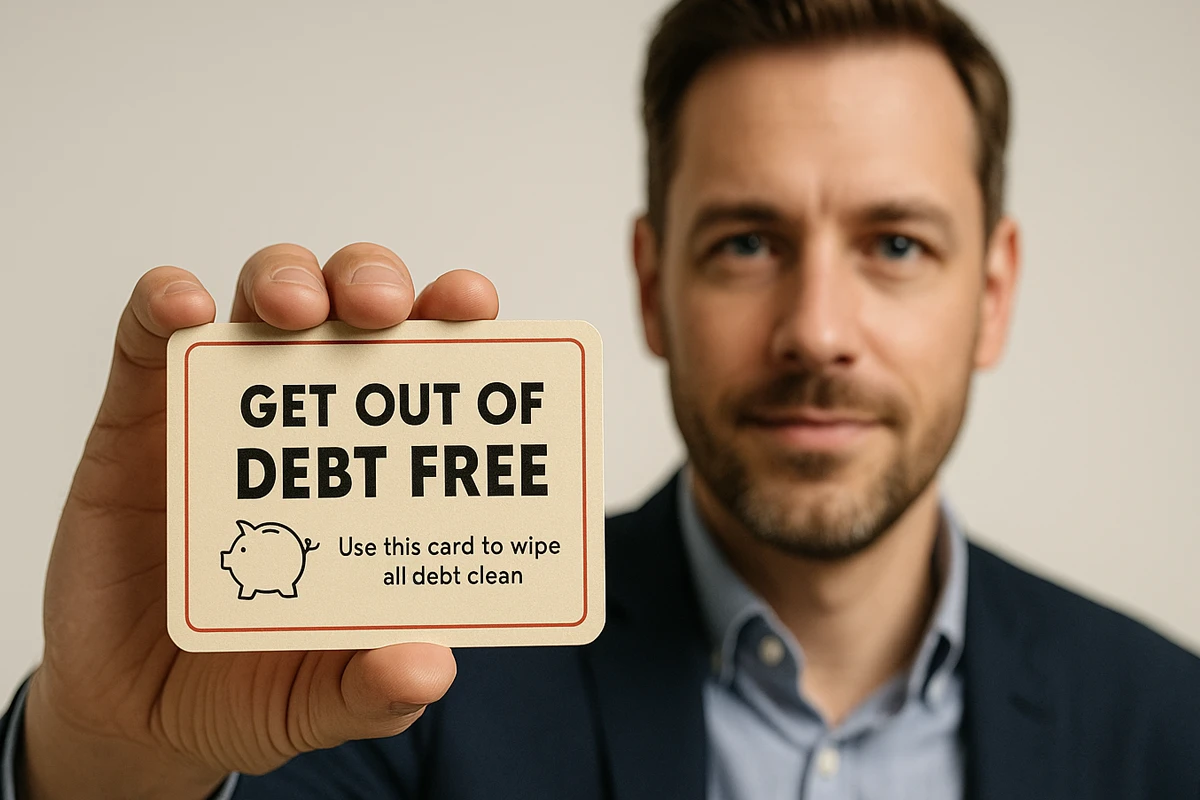
Why it's wrong: Bankruptcy has long-term consequences and doesn't erase all debts.
Better advice: Explore all other options first, like negotiating with creditors or using a debt repayment plan. Read more →
If You Can Afford the Monthly Payment, You Can Afford It.

Why it's wrong: Focusing on monthly payments ignores the total cost, especially with interest.
Better advice: Look at the full cost over time and avoid overspending just because it fits your monthly budget. Read more →
Student Loans Are Good Debt, So Take As Much As You Need.

Why it's wrong: Debt is still debt, and excessive loans can cripple your finances for decades.
Better advice: Borrow only what you truly need. Research alternatives like scholarships, grants, and part-time work. Read more →
You Don’t Need a Budget.

Why it's wrong: Without a budget, it's easy to overspend and lose track of your goals.
Better advice: Create a simple budget that reflects your income, expenses, and priorities. Read more →
Join a Multi-Level Marketing Business to Get Rich.

Why it's wrong: Most people lose money in MLMs. The business model relies heavily on recruitment, not product sales.
Better advice: Focus on developing real skills or businesses that provide genuine value. Read more →
Quit Your Job and Become a Day Trader.

Why it's wrong: Most day traders lose money. It's highly risky and emotionally draining.
Better advice: Learn about investing slowly. Start with long-term strategies and build experience. Read more →
Skip the Emergency Fund – You Can Just Use Credit.

Why it's wrong: Credit isn't guaranteed and using it in emergencies often leads to high-interest debt.
Better advice: Build an emergency fund with 3–6 months of expenses to protect against the unexpected. Read more →
You Don’t Need Insurance When You’re Young.

Why it's wrong: Accidents and health issues can happen at any age.
Better advice: Have basic health, renters, and car insurance to cover worst-case scenarios. Read more →
Don’t Negotiate Your Salary – Just Be Grateful.

Why it's wrong: Not negotiating leaves money on the table and affects future raises.
Better advice: Do your research and negotiate respectfully. A higher starting salary compounds over time. Read more →
Always Finance Big Purchases.

Why it's wrong: Financing increases the total cost and encourages impulse spending.
Better advice: Save up for major purchases when possible, and only finance responsibly if necessary. Read more →
Have Kids First, Figure Out the Money Later.

Why it's wrong: Children are expensive, and lack of preparation leads to stress and debt.
Better advice: Plan ahead. Build a financial cushion and budget before starting a family. Read more →
Carry a Credit Card Balance to Boost Your Score.

Why it's wrong: Carrying a balance only leads to interest charges.
Better advice: Pay off your card in full. On-time payments and low utilization build your score. Read more →
Get Another Loan to Pay Off Old Debt.

Why it's wrong: This often leads to a cycle of debt if spending habits don't change. Better advice: Focus on reducing expenses and increasing income to pay off debt directly. Read more →
Put Big Purchases on a Credit Card and Worry About It Later.

Why it's wrong: This can lead to long-term debt and regret.
Better advice: Delay gratification. Save up or create a plan before spending. Read more →
Investing Is Just Gambling.

Why it's wrong: Smart investing is based on strategy and historical growth, not luck.
Better advice: Learn the basics. Start with diversified index funds and a long-term mindset. Read more →
Don’t Start Investing Until You’re Older.

Why it's wrong: You miss out on compounding growth by waiting.
Better advice: Start investing as early as possible, even with small amounts. Read more →
The Stock Market Is Too Risky So Avoid It.

Why it's wrong: Avoiding the market guarantees your money loses value over time.
Better advice: Invest in diversified funds and hold for the long-term. Read more →
Don’t Work Overtime or Take a Raise Because You’ll Pay More Taxes.

Why it's wrong: More income always means more take-home pay, even with higher taxes.
Better advice: Maximize your earnings and use the extra income to invest or pay down debt. Read more →
Cut Out Coffee and You’ll Become a Millionaire.

Why it's wrong: Small savings help, but big wins like increasing income and investing matter more.
Better advice: Cut wasteful spending, but focus on high-impact financial decisions. Read more →
Fake It ‘Til You Make It With a Luxury Lifestyle.

Why it's wrong: Living beyond your means for appearances leads to debt and stress.
Better advice: Live below your means, build real wealth, and let results speak for themselves. Read more →
Final Thoughts
The internet is full of financial advice, and a lot of it ranges from overly simplistic to outright harmful. As a young adult or new professional, be skeptical of one-size-fits-all tips. What sounds good in a tweet or meme can be bad for your wallet in real life. Instead, focus on time-tested principles: spend less than you earn, avoid bad debt, invest early, protect yourself (with savings and insurance), and keep learning about money. If a piece of advice feels off or too good to be true, double-check it. Your financial future is too important to trust to catchy slogans or viral videos. Listen to experts, look at the data, and above all, use common sense. You got this – make smart moves now and your future self will be thanking you instead of cursing those “worst advice” gurus.