Wealth Is What You Don't See
One of Housel's central points is that wealth is not about the extravagant possessions or lifestyle one can display, but rather about the money that isn't spent. Wealth accumulates through the savings and investments that are not used for immediate gratification. This means that the true measure of financial success isn’t visible—it's represented by investments, savings, and assets that appreciate over time rather than depreciating consumables.
The Role of Luck and Risk
Housel emphasizes that both luck and risk play enormous roles in our financial lives, often more than skill and decision-making. Recognizing that much of what happens in our financial journey can be attributed to factors outside our control can help temper excessive pride in success and undue shame in failure. It encourages a more balanced, humble approach to financial planning, acknowledging that outcomes often depend on external factors as much as on personal effort or skill.
Save Money to Gain Control Over Your Time
Morgan Housel highlights the profound value of using money to gain control over your time, which he argues is one of the greatest freedoms money can buy. The capacity to choose how to spend your time, rather than having that dictated by financial necessities, is a powerful form of wealth. Saving and investing wisely not only secure financial stability but also afford you the flexibility to pursue passions, take opportunities, and spend time with loved ones without monetary constraints interfering. This lesson redefines the purpose of money from merely acquiring goods to creating a life that prioritizes personal time and freedom. You can see the same pattern in the surprising truths about how millionaires build wealth.
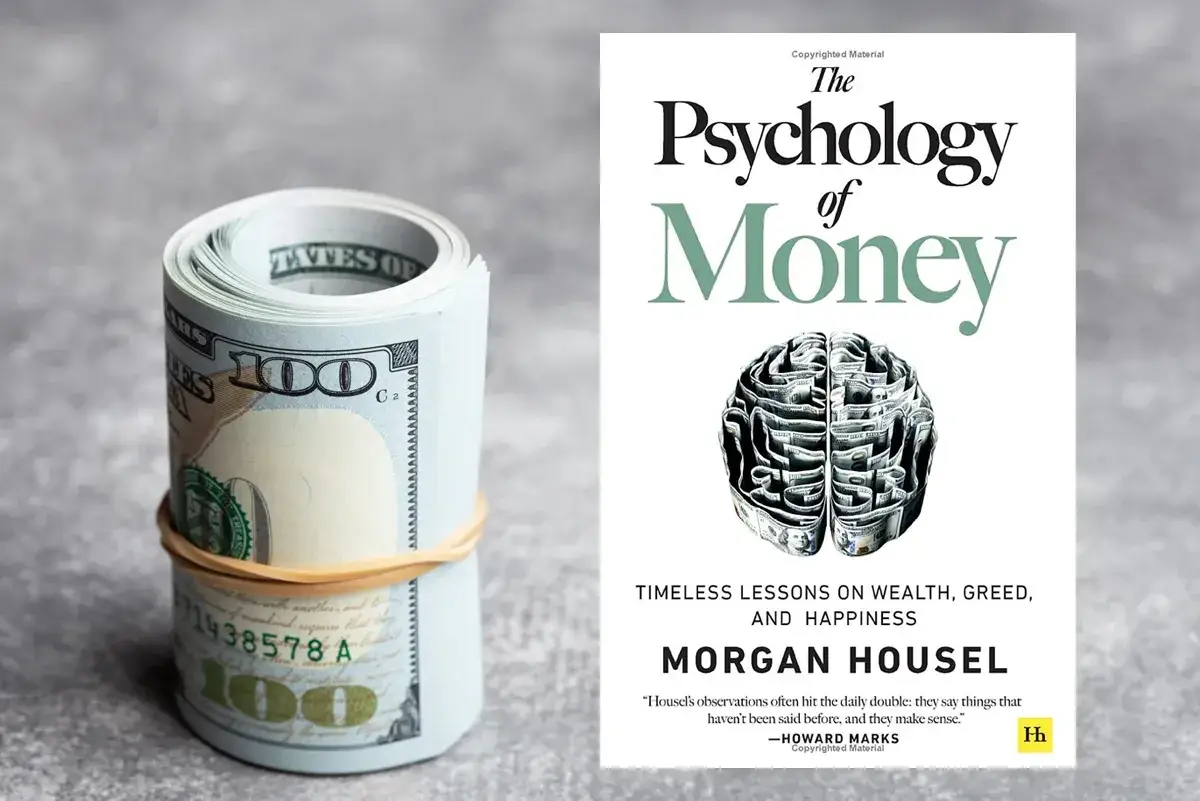
Want to read the full book? Check out The Psychology of Money in our curated book list for a deeper dive into Housel's insights on wealth, greed, and happiness. Or see how these ideas play out in wealth is what you keep.