
Do you buy bottled water? It might seem like a good idea, but there’s a secret they don’t tell you. It's expensive and wasteful! Let’s find and learn about a better, more cost-efficient way to get clean drinking water. We’ll compare how much each cost and the quality of the water.
Cost Comparison
Cost Breakdown
Bottled Water
- Cost per gallon: Bottled water costs about $1.37 per gallon on the low end when bulk-purchased.
- Monthly cost: If one person drinks a gallon daily, that’s about $41 a month.
- Annual cost: Over a year, that’s $492 per person!
RO Water
- Upfront cost: A home RO system costs between $150 to $500 for the unit. Here is the one I have had for a couple of years, and it works great. (Bluevua RO100ROPOT, Pro tip: I would select the new UV Ropot for even better quality; the link is below the next image. If you can install one under your sink, then I'd recommend the Waterdrop G3 RO Tankless System)
- Maintenance: Filters need to be replaced every 6-12 months, costing about $50 to $100 a year.
- Water cost: The cost of RO water is very low, usually just a few cents per gallon since you’re using tap water.
Savings
- In the first year, an RO system costs around $200 to $600 (including maintenance). After that, the yearly cost is only about $50 to $100.
- By comparison, bottled water costs about $492 a year.
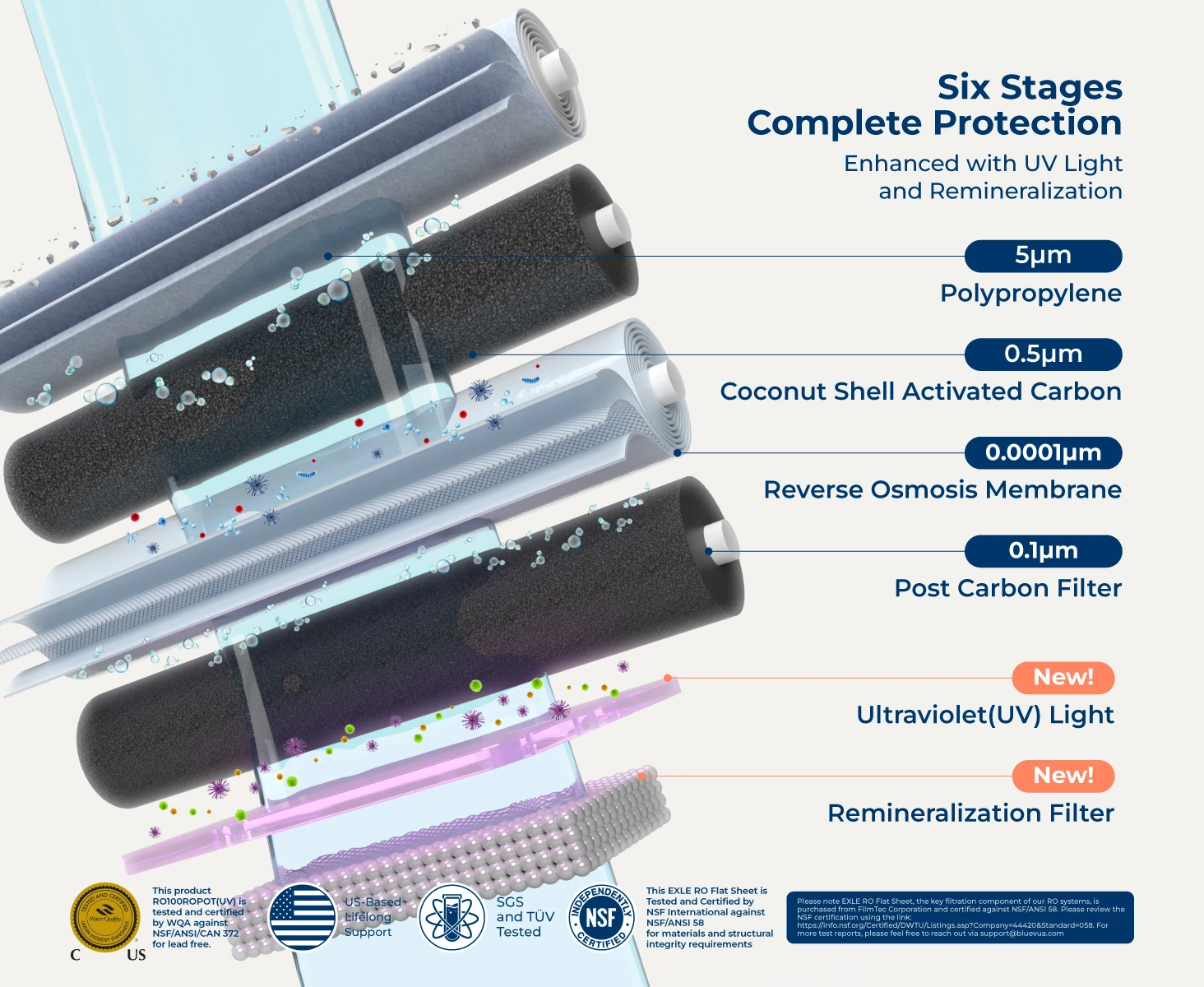
This is one of the product Image for the Bluevua RO100ROPOT UV Counter RO Machine.
Quality Comparison
Bottled Water
- Convenience: Bottled water is easy to grab and go.
- Purity: Most bottled water is safe to drink, but some brands sell filtered tap water. You’re paying extra for packaging and microplastics!
- Environment:One of the main sources of plastic waste.
RO Water
- Purity: RO systems remove up to 99% of contaminants, including chlorine, lead, and other harmful chemicals. The water is cleaner and healthier than most bottled water. (Not to mention the microplastics)
- Taste: RO water tastes fresh and pure because it filters out chemicals that can give tap water an odd taste.
- Environment:Wastes water, but the newer models are much better.
The Truth
- Bottled water is convenient but costs a lot over time.
- RO water gives you the same or even better quality at a much lower cost.
Conclusion
In conclusion, while bottled water may seem like a convenient option, it's actually expensive and wasteful in the long run. For just one person, you could be spending almost $500 a year, and that cost doubles for two people. On the other hand, a reverse osmosis (RO) system offers a much more cost-effective and environmentally friendly solution. Even with the initial setup and maintenance costs, RO water costs only a fraction of what you would spend on bottled water, saving you hundreds of dollars over time. Plus, RO systems provide cleaner and purer water, free from contaminants like chlorine and lead, while also cutting down on harmful plastic waste. In the end, investing in an RO system not only helps your wallet but also improves your health and reduces your environmental impact. Don’t let big water companies trick you—there’s a smarter way to stay hydrated!