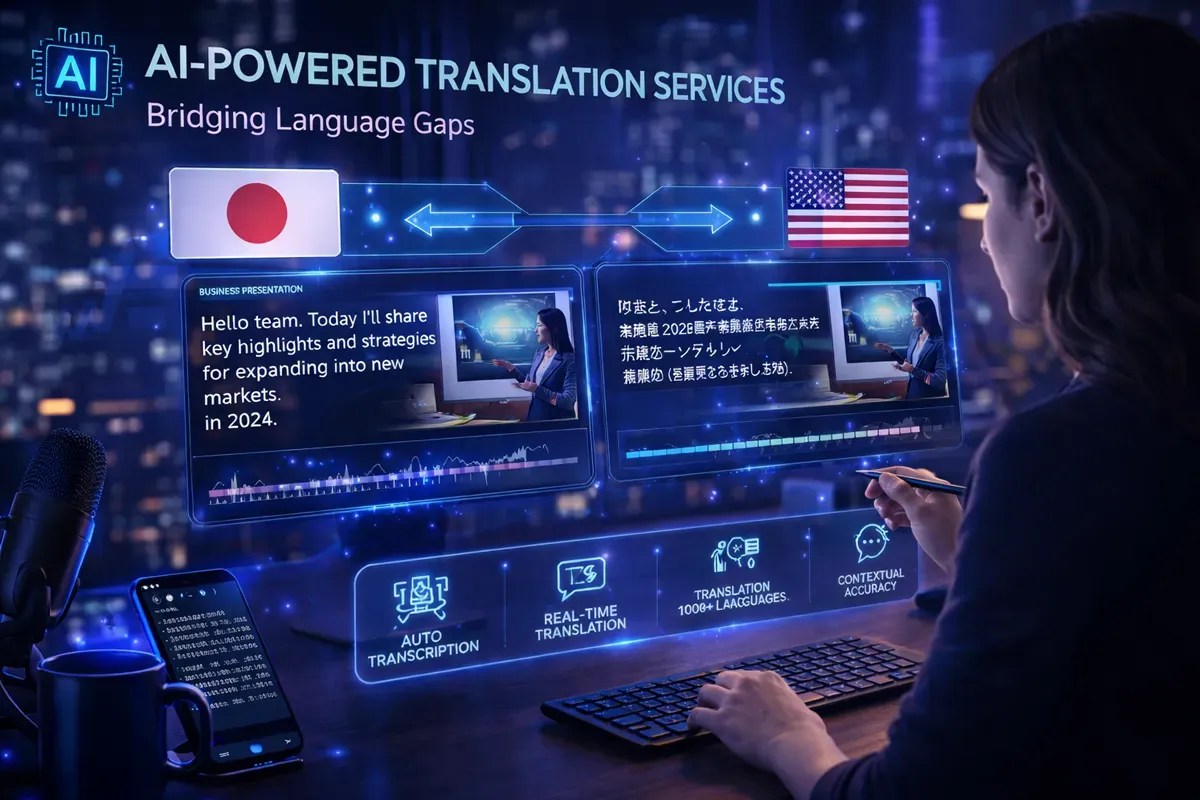
Discover how you can tap into the booming AI translation industry to create a profitable side hustle. With the right tools and strategies, you can bridge language barriers and build a diverse clientele across numerous industries.
The Rise of AI Translation Tools
AI translation tools have evolved significantly, offering accuracy and speed that were unimaginable a few years ago. Platforms like Google Translate, DeepL, and Amazon Translate are leading the way in making translation accessible for businesses of all sizes.
- Google Translate: Offers a comprehensive API that supports over 100 languages, making it ideal for global reach.
- DeepL: Known for its nuanced translations, particularly in European languages, providing a competitive edge in specific markets.
- Amazon Translate: Integrates seamlessly with AWS services, perfect for tech-heavy industries.
Market Demand and Opportunities
As globalization continues, the demand for translation services is skyrocketing. Industries such as e-commerce, travel, healthcare, and finance are in dire need of reliable translation services to cater to diverse markets.
According to a recent report, the global AI translation market is expected to grow at a CAGR of 19% from 2021 to 2026, highlighting the immense potential for new entrants.
Busting the Myth: AI vs. Human Translators
AI tools excel in speed and cost-efficiency, but a human touch is often required for cultural nuances and complex texts. Understanding this balance is crucial for building a robust service offering.
Building Your Clientele
Identify Target Industries
Focus on industries with high translation needs. Research companies expanding globally and offer tailored translation services that address their specific challenges.
Leverage Online Platforms
Platforms like Upwork, Fiverr, and LinkedIn are excellent for finding clients. Create a compelling profile highlighting your unique AI-driven approach combined with human expertise.
Network and Collaborate
Join industry groups and forums to connect with potential clients and collaborators. Partnerships with marketing agencies or localization firms can provide steady work and additional resources.
Pricing Your Services
Competitive pricing is crucial in the translation industry. Consider offering flexible pricing models, such as per-word rates or subscription-based services, to attract different types of clients.
Ensuring Quality and Consistency
Maintain high standards by using AI tools for initial translations and conducting thorough reviews. Develop a style guide for consistency and invest in continuous learning to keep up with AI advancements.
Overcoming Challenges
Common challenges include managing client expectations and staying updated with AI advancements. Address these by setting clear communication channels and dedicating time for ongoing education.
Remember, the key to success in AI-powered translation services is not just in leveraging technology but in blending it seamlessly with human expertise to deliver unparalleled value to clients.