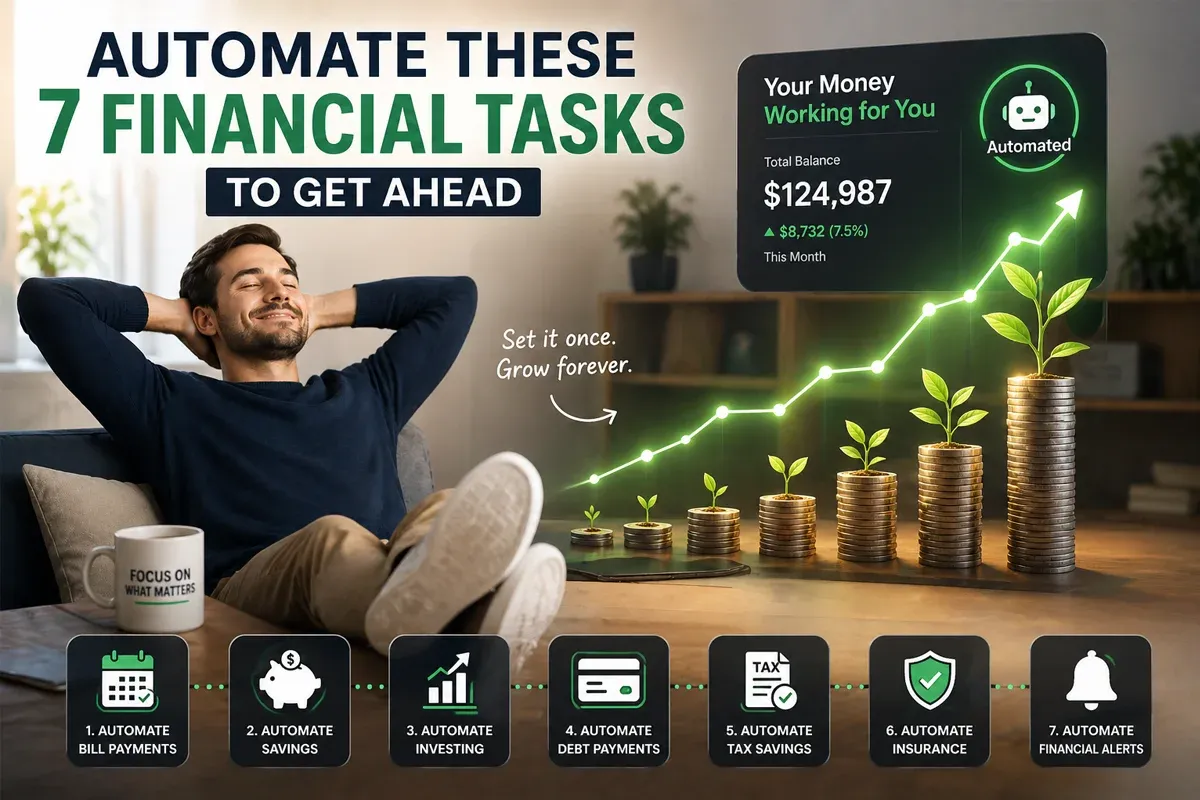
Most financial advice focuses on what to do — save more, invest early, pay down debt. The part that actually determines whether people follow through is how much friction the system creates. When a habit requires a decision every month, it eventually gets skipped. When the same habit is automated, it happens whether you think about it or not.
These seven financial tasks are the highest-leverage things you can put on autopilot. Together, they cover saving, investing, debt reduction, bill management, budget visibility, rewards optimization, and fraud prevention. Each one links to a full guide where you can implement it from scratch — but the overview here is enough to understand why each matters and what to do first.
1. Automate Your Savings

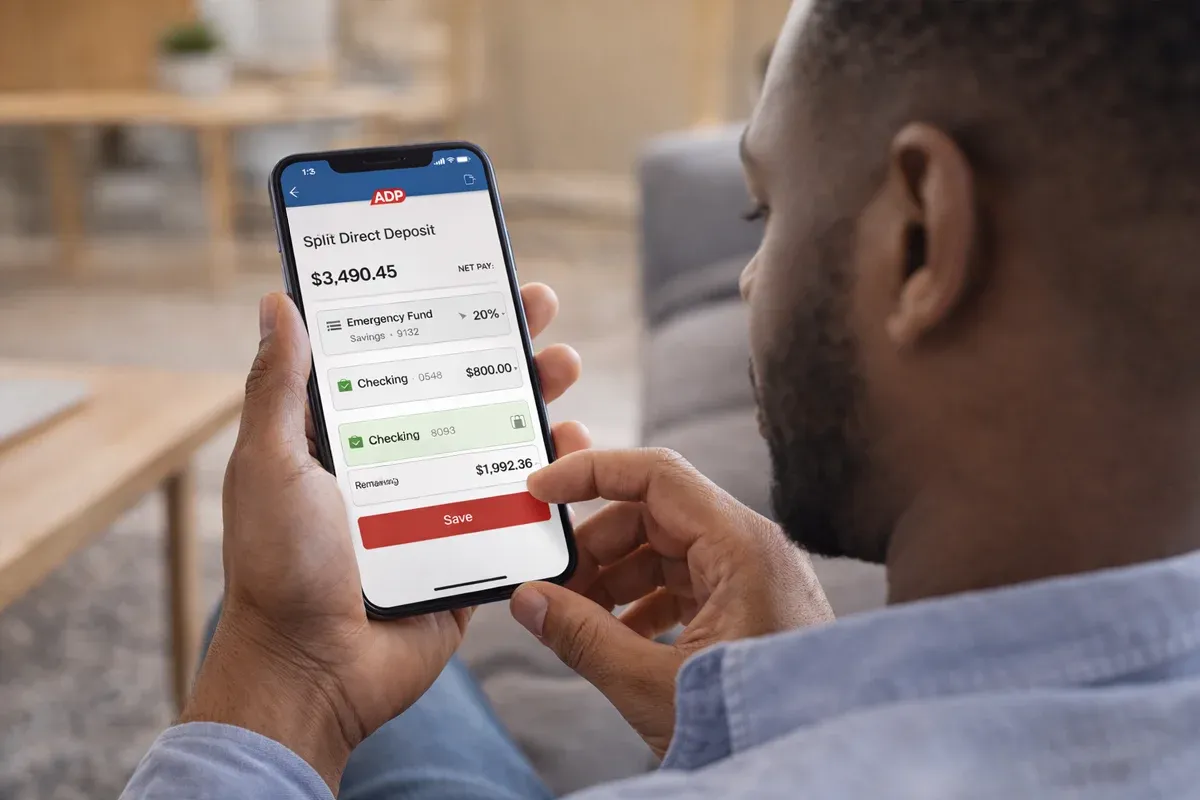
The single most reliable way to build savings is to move the money before you can spend it. Automatic transfers scheduled for the day after your paycheck hits eliminate the decision entirely. You never weigh a savings deposit against a discretionary purchase because the money is already gone before you open your bank app.
The target to aim for is saving at least 20% of your take-home income. Start lower if that is not immediately realistic — even five percent automated on day one produces better outcomes than twenty percent you intend to save manually but never do. The key is choosing a high-yield savings account so your money earns something while it waits. Online banks typically offer rates five to fifteen times higher than the national average at traditional banks.
Once the transfer is running, compound interest does the heavy lifting. A consistent $300 monthly transfer at a 4.5% APY grows to over $58,000 in ten years without adding a single additional dollar. The longer the runway, the more dramatic that curve becomes.
Full guide: Automate Your Savings — Build Wealth Without Thinking
2. Streamline Bill Payments
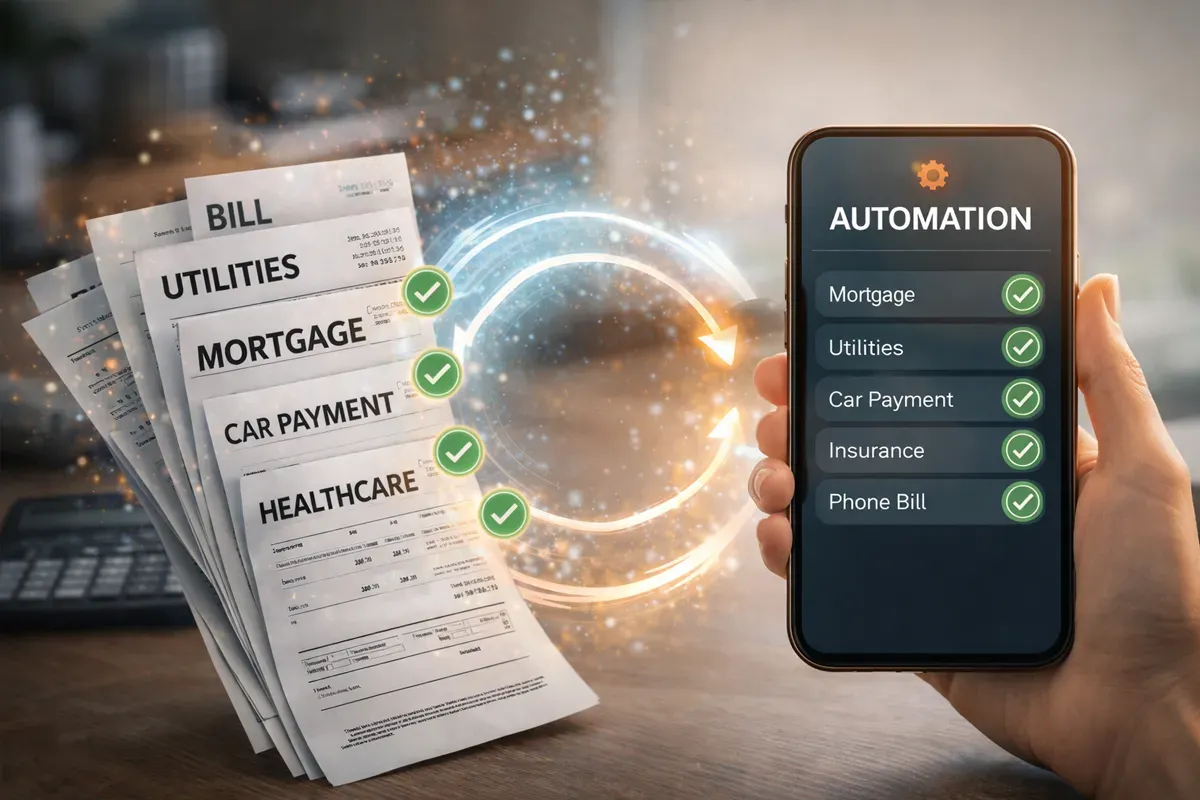
Late fees are a tax on disorganization. A single missed credit card payment can cost $25 to $40 in fees, trigger a penalty APR, and leave a mark on your credit report that lingers for years. Enrolling every recurring bill in auto-pay removes all of those risks simultaneously.
The mechanics are straightforward: list every fixed obligation (rent or mortgage, utilities, insurance, credit cards, subscriptions), then set each to auto-pay through either the creditor's website or your bank's bill pay. Time the payment dates to land two to three days after your payday to ensure the funds are always there.
One metric worth watching alongside automation is your credit utilization ratio — the percentage of your total available credit you are using at any moment. Keeping it below 30% while making on-time automated payments is one of the fastest, most controllable ways to improve your credit score. Review your statements monthly even after automating, since errors and unauthorized charges do not disappear just because the payment is automatic.
Full guide: Streamline Bill Payments — Avoid Late Fees Easily
3. Invest Automatically
Robo-advisors have made it possible to build a diversified investment portfolio without picking a single stock or making a single timing decision. Platforms like Betterment, Wealthfront, and Ellevest charge between 0.25% and 0.50% of assets under management per year — a fraction of what a human advisor costs — while handling everything: portfolio allocation, automatic rebalancing, and in many cases tax-loss harvesting.
The setup process takes about twenty minutes. You answer questions about your financial goals, time horizon, and risk tolerance. The platform creates a personalized portfolio of diversified ETFs and bonds, then continuously rebalances it as markets move. You set a recurring deposit, and every contribution goes to work immediately without requiring any decision on your part.
The most important feature to look for beyond fees is automatic contribution increases. Some platforms let you schedule your monthly contribution to grow by a set percentage each year, which means your investments keep pace with income growth without ever requiring you to log in and change a setting.
Full guide: Effortless Investing — Use Automation to Grow Wealth
4. Maximize Credit Card Rewards Automatically

Credit card rewards are only worth something if you actually collect them. Most people leave points on the table because they use the wrong card for a purchase, forget rotating bonus categories, or let rewards expire before redeeming them. Automation closes all three gaps.
The strategy starts with pairing two complementary cards: one that earns elevated rewards in your highest-spend categories (dining, groceries, or travel) and one that covers everything else with a flat-rate cash back rate. Link both cards to the loyalty programs and retailers you use most. Most programs let you register once and earn bonuses automatically on every qualifying purchase without doing anything additional.
For points that expire, use tools like AwardWallet or MaxRewards to aggregate balances from multiple programs and surface expiration dates before they hit. Set a quarterly calendar reminder to redeem. If ten thousand points equal a $100 travel credit and the same ten thousand points could expire unused, the cost of not redeeming is $100 in actual lost value. That is a meaningful number at scale.
Full guide: Credit Card Rewards — Maximize Benefits Automatically
5. Automate Budget Tracking
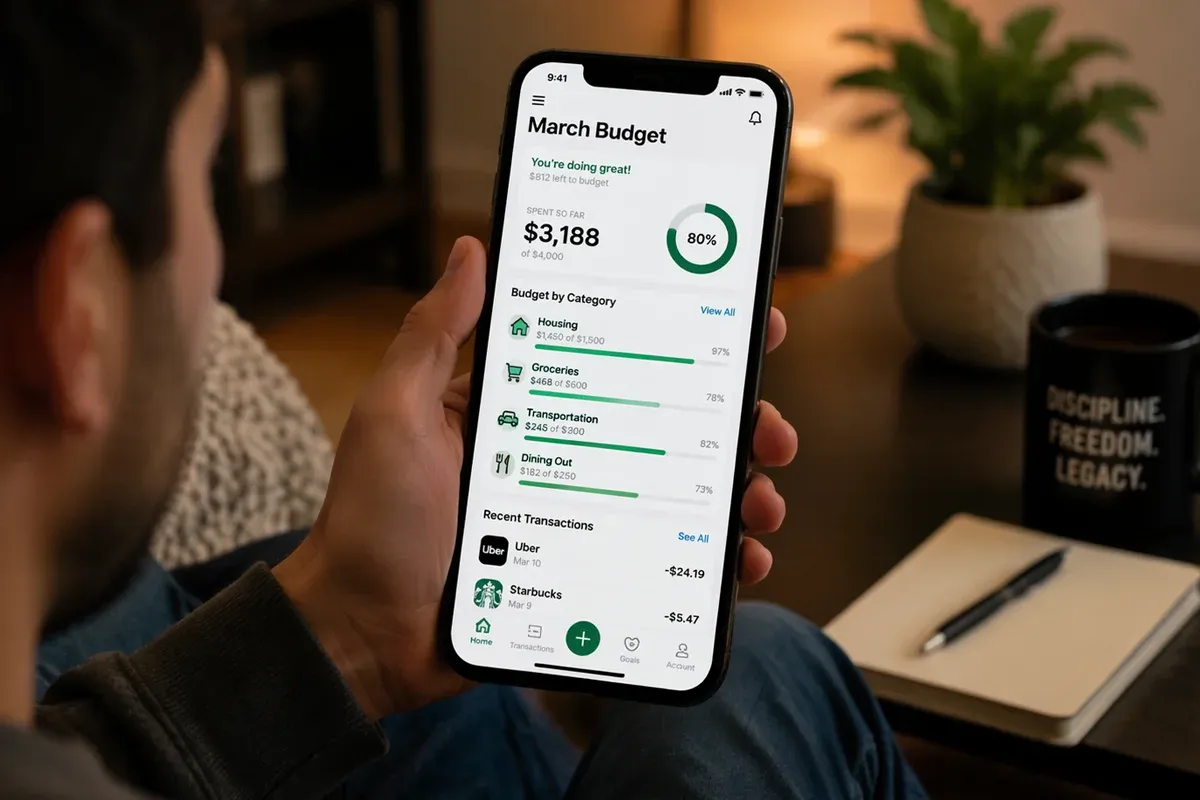
Manual budgeting fails because it requires consistent effort at exactly the moments you are least motivated. Automated budget tracking replaces that effort with a system that imports, categorizes, and analyzes every transaction as it happens. You spend less mental energy on bookkeeping and more time acting on what the numbers are actually telling you.
The right tool depends on your situation. YNAB is built around zero-based budgeting — every dollar gets a job before you spend it — and works best for people aggressively paying down debt or saving for a specific goal. Rocket Money has a free tier, an excellent subscription tracker that surfaces forgotten recurring charges, and built-in bill negotiation. Empower (formerly Personal Capital) is free and combines budget tracking with full investment monitoring, making it the best option for people who also want a net worth snapshot. Monarch Money is the strongest choice for couples managing finances together.
Whichever tool you use, the setup is the same: connect all accounts and cards, confirm the auto-categorization is accurate for your biggest spending categories, and set budget caps for the two or three areas where you most frequently overspend. Most apps will alert you when you approach or exceed those caps without requiring any further action.
Full guide: Budgeting Made Easy — Automate Your Budget Tracking
6. Automate Debt Repayment

Debt is expensive. High-interest credit card debt at 22% APR costs $220 per year for every $1,000 you carry. Automation does not change that rate, but it does ensure you are consistently paying more than the minimum — which is the only thing that actually reduces what you owe.
Start with a complete debt inventory: every creditor, balance, APR, minimum payment, and due date. Then choose a repayment strategy. The avalanche method directs all extra money to the highest-APR debt first, minimizing total interest paid. The snowball method targets the smallest balance first, delivering a quick win that tends to keep people on track longer. Either works — the one you stick with is the right choice.
Set up two layers of automation for each debt: a minimum payment auto-pay scheduled directly with the creditor (protects your credit score even if you forget), and a separate extra-payment transfer from your bank account on payday, directed to your target debt. The payday timing matters — sending the extra payment before the money mentally enters your available budget makes it far less likely to get absorbed by discretionary spending.
Full guide: Debt Repayment — Automate to Achieve Financial Freedom
7. Monitor Expenses Automatically
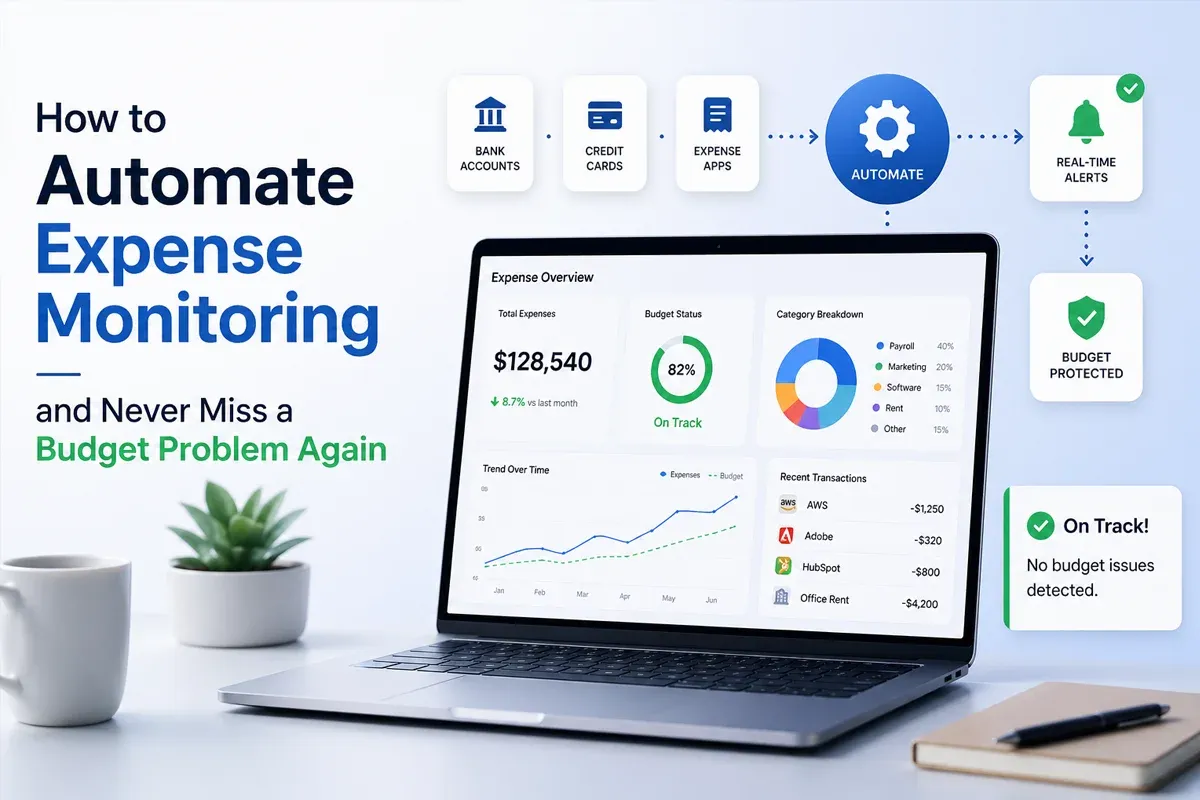
Most people underestimate their discretionary spending by twenty to forty percent. The subscriptions that blur together, the restaurant runs that feel small individually, the charges that never get reviewed — they add up to a number that would surprise most people if they actually totaled it. Automated expense monitoring closes that gap through alerts rather than manual review.
Six alert types cover the most important ground: large transaction alerts (fraud and impulse purchases), low balance alerts (overdraft prevention), category budget alerts (spending drift), unusual activity alerts (first line of fraud defense), bill payment confirmations (catching failed auto-pays), and income deposit confirmations (timing coordination). Your bank's native app provides most of these for free. A paid aggregator like Copilot or Monarch adds cross-account category tracking if you bank at multiple institutions.
The most important setting to calibrate is the large transaction threshold. Too low and you train yourself to ignore the alerts. Too high and you miss the things worth catching. A starting point: $100 to $200 on everyday debit cards, $300 to $500 on cards you use for larger purchases. Pair these with a monthly ten-minute review to scan flagged transactions and cancel any subscription you cannot justify in under five seconds.
Full guide: Expense Monitoring — Automate Alerts for Better Control
Where to Start
If you have not automated anything yet, start with two tasks this week: set up an automatic savings transfer and enroll your largest bills in auto-pay. Those two changes alone remove the most common causes of financial backsliding — failing to save consistently and paying avoidable late fees. Add the remaining five over the following month, in whatever order matches your immediate priorities.
Each task reinforces the others. Automated expense monitoring catches the spending that erodes your savings buffer. Automated debt repayment frees up cash flow that can be redirected into investments. Automated budget tracking makes the whole system visible. When all seven are running, your money moves in a direction you chose once — and keeps moving that way without ongoing effort.